
William Byrd
The Renaissance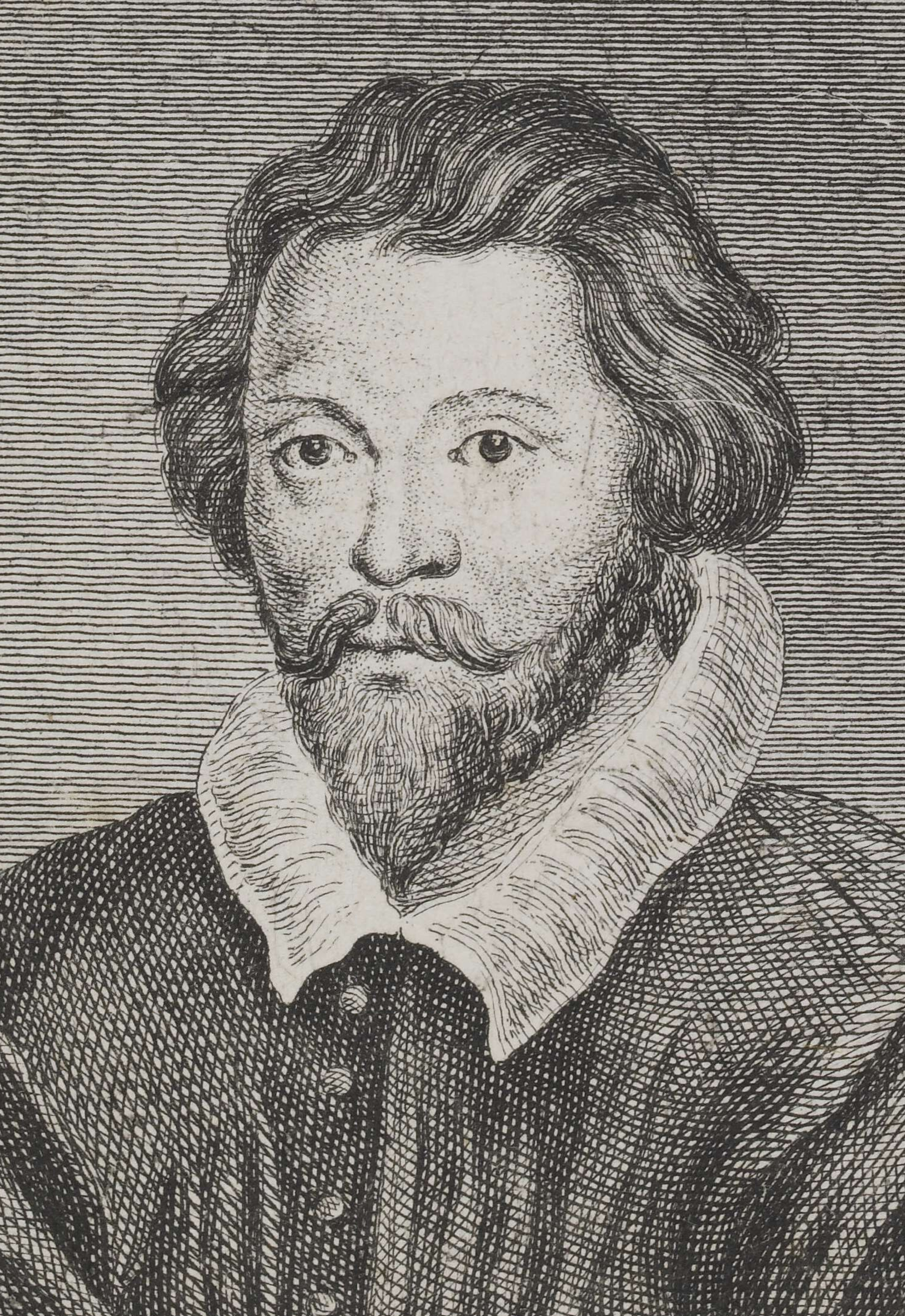
Public domain, Gerard van der Guch, after a painting by Nicola Francesco Haym in the British Museum
William Byrd was born around 1540, during the reign of Henry VIII. Records of his early life are sparse, but as a child, he was possibly a chorister at St. Paul’s Cathedral or the Chapel Royal under Thomas Tallis. He was thirteen years old in 1553 when Edward VI died and Queen Mary returned England to Catholicism.
Byrd worked under the tutelage of Tallis, studying polyphonic composition and writing Catholic liturgical music. However, in 1558, when Byrd was eighteen, Queen Mary died and her half-sister Elizabeth ascended the throne, returning the kingdom to Protestantism. Byrd’s career continued apace, and by 1563, he was organist at Lincoln Cathedral. He married a woman named Juliana, with whom he had seven children. In 1569, his salary was suspended due to “certain matters alleged against him,” which probably involved playing the organ too elaborately for the Puritans at the cathedral.
In 1572, Byrd became “Gentleman of the Chapel Royal,” after the previous holder fell into a river and drowned. This was a lifetime position with a good salary and made Byrd essentially the music director for the monarch’s personal religious services. His favor with the Queen was sufficient that in 1575, he and Thomas Tallis were granted letters patent on the printing of music by Queen Elizabeth. In gratitude, they composed and published a series of motets in Latin dedicated to her. However, due to the Puritan spirit that reigned across England now, they were not financially successful and they had to ask the Queen for financial assistance. She responded by granting them the lease on various country lands and estates.
It is not clear whether Byrd was born Catholic, but throughout the 1570s, he became increasingly involved with it, despite the fact that its practice was illegal in England under Queen Elizabeth. Byrd was known to associate with Francis Throckmorton and Lord Thomas Paget, prominent Catholics behind the “Throckmorton Plot.” This was a planned invasion of England by French troops, financed by King Philip II of Spain, with the aim of deposing Queen Elizabeth and placing Mary, Queen of Scots, on the throne. When the plot was discovered in 1583, Throckmorton was executed and Paget was forced to flee to France. The spotlight fell on William Byrd. He was interrogated and placed under surveillance, and his house was searched. He and his wife were accused of recusancy, the crime of failing to attend Anglican services. The Queen’s favor, however, afforded him some level of legal protection, and he continued to hold the post at the Chapel Royal, composing works like The Great Service to keep his obligations fulfilled and maintain his allies in the court.
Despite the persecution, Byrd continued to run in clandestine Catholic social networks, secretly writing music for Catholic masses, and gaining the support of wealthy English nobles who remained Catholic. After Queen Elizabeth’s death in 1603, she was succeeded by King James I, who repeatedly fined Byrd for recusancy. By this point, however, Byrd was wealthy enough to simply pay the fines and continue practicing his faith, sometimes out in the open. He was friends with Father Henry Garnett, who was executed for his involvement in the Gunpowder Plot of 1605, a Catholic attempt to blow up Parliament, although Byrd managed to avoid prosecution. He continued to compose Catholic music for secret masses held in private homes, and even openly published liturgical music, printed under his own name, although without title pages, to protect the identity of the printer. He died of natural causes in 1623 at the age of about 83.